







Summer planning, happened so fast.
(Biting my tongue about what a horrible message Grease gives. Girls should change their entire look and personality to please a boy who is too embarrassed by peer pressure to admit that he likes her just as she is, which he did just the previous summer. I mean, WTH?!)
School JUST started yesterday, so I’m not sure WHY we’re prepping for summer already but holy cow, it flew by.
If you are a parent to kids who still rely on you to function (typically elementary school and below), I’ve made a free printable resource to help you plan for your summer ahead.
If you feel slightly panicked (or a lot panicked) about summer vacation, you are not alone. Legions of parents - who dearly love their kids - feel the fear of what summer brings:
-
Wide open time
-
Boredom
-
Fighting
-
Endless prepping of food
-
Lack of routine & schedule
-
Exhaustion from being “on” all day
-
Exhaustion from big outings that you have to carry
-
Complaining
I’ll stop there before the tears come. But it’s important to counter the sad/scary parenthood narrative with something also true and hopeful. Summers are also opportunities for:
-
Deeper connection with our kids
-
Relaxed schedules (at least some of the time)
-
Chances to work on things not possible during regular school years
-
Quintessential childhood memory building
-
Chore help!
-
Vacations
Summers no doubt are a next level of exhaustion but I keep thinking:these are our children's childhoods. How lucky that we get to help cultivate such an important time in their lives.
I’m also convinced that a little bit of planning and preparation makes all the difference on how our summers with kids can go.
Here’s the thing though: one size planning does not fit all. We’re all in very different seasons and needs with our kids. The mom of really littles is in a much different place than a parent of 3rd and 4th graders. A parent with a traditional job has different needs than the stay at home mom.
All these reasons are why I created the Summer Planning Printable Bundle. They are completely free and very functional.
All of us parents being in different seasons of life? That’s why I’ve kept these planning pages very open and functional, just like the Sprouted Planners. They are made to meet you in your current season.

Timing
Before we get into those pages, let’s talk about the timeline of summer planning.
In case you’re new to this whole summer vacation thing (for whatever reason), first let me say welcome. You’re in good company. Next, summer vacation is months in the planning, if you want your kiddo in any summer camps. So let’s take it month-by-month:
-
September (or before): Start saving up money for summer camp registration, which happens in short order, so you’ll need that lump sum of money.
-
October - December: Enjoy + survive the holidays
-
January: start researching your camp options and write down when registration opens, which is usually January/February/March.
-
February: Most camp registrations open. Some of these camps are insane and you need to register the moment they open. Most aren’t this high pressure but it’s better to be on top of it.
If you are a family that camps, many seasonal spots open around this time as well (at least in Minnesota), so basically you need to plan your entire summer by the end of February. Fun, right?! -
March: Spring break focus
-
April - May: You get to plan for the smaller things of summer. This is the perfect time for these printables!
-
June - August: GAME FACE.
*I know many of you start summer in May and go back to school in August. That’s weird but whatever. Adjust accordingly.
Summer Camps
Summer camps are this weird and limited phenomenon that works best for kids ages 5-11. There’s certainly camps for kiddos outside this age group but the vast majority serves this age group.
Once your kid hits middle school, they are in the strange inbetween spot where they might be able to help as an assistant counselor but mostly they are in the land inbetween. These kids aren’t ready to stay home alone all day yet (typically) but there’s also not enough things for them to fill their time. So…good luck, sucker.
You’re probably asking:
How do I find summer camps for my kids?
Here are the 6 places I suggest you search (in no particular order):
-
Your local school district. Check their website and/or get on their mailing list + email list. Some districts have summer (all-day) extended day where you can sign up your kids for everyday, certain days, or sporadic days.
Outside summer extended day, the district often advertises local classes and camps (art, theatre, sports, etc.) -
Local churches. If you’re a church family, your church (or another church in the area) typically has Vacation Bible School (VBS). Some are better than others but many are low cost.
-
Your state/area local parent network. This may only be a thing for bigger areas but some areas have a completely free online parent network that brings you emails with amazing local resources. In my area (Minnesota), we have both MN Family and Twin Cities Family, and plenty more. Just Google search “[your state or region] parent” or “...family” and see what pops up to get on their email list.
-
Word of mouth. Ask fellow parents what camps their kids have been in and what they suggest. We’ve added great camps this way, and have had friends join in as well. For example, my daughter is doing a Flying Trapeze camp because of a parent suggestion! I would have never discovered this great place otherwise.
-
Your local fitness club. The YMCA always has care and camps. We also have Life Time in our area, and they have day camps for members (at an additional cost).
-
ChatGTP. Or whatever AI system you use. Write out as much information as you can: your kids ages, what they are into, where you are and how far you’re willing to drive, how long you need the camps to be, etc. It will pull a list for you to look into further.
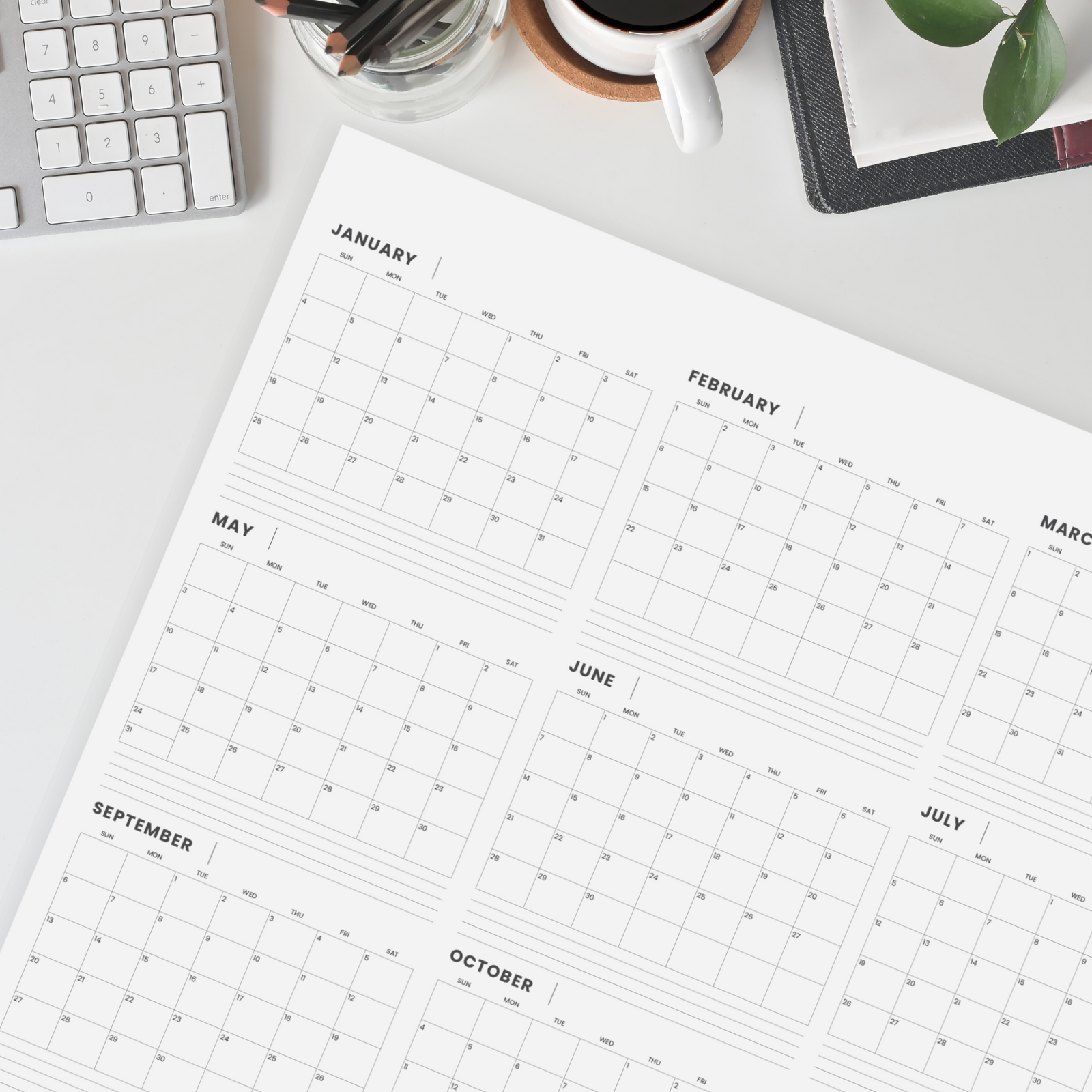
I use the monthly printables to plan out these camps and our vacations. First I pencil in anything we’re aiming for. Then they get put down in pen once I actually register for them.

If you opt for summer camps, these (and any vacations) you take are going to be “big rocks” in your summer. Next we get into the “smaller rocks” of your day-to-do summer schedule. But first, let’s get clear of what we want out of summer.
Summer Intentions
Let’s cast of vision of what you want for your summer. What are your hopes and expectations. Then we intentionally plan those smaller rocks to bring those hopes and expectations into fruition.
The first page of your Sprouted Summer Planning printables has a handful of questions to get your clear on your intentions for the summer.

We’re trying to get to the bottom of what you need + want. Followed by what kind of experience + responsibilities you want your kids to have.
This allows us to have 1-3 focuses for the summer. For me and my kiddos, my summer focus is:
-
Cook with my daughter*
-
Fully engaged with the kids for portions of each day
-
Responsibility building (chores, schedule management, etc.)
*My daughter is on the picky eating scale. We’ve done a lot of things to help with this, but I’m excited to embark on Katie Kimball’s kids' cooking course. My daughter loves to help me cook, and food exposure is super important for these picky kids. So we’re going through the course together this summer to give her more skills in the kitchen, connect with her, and set her up with a skill that will serve her for the rest of her life. My little guy can certainly contribute too. Katie also has a great Picky Eating course I’ll go through concurrently.

Good ol' Canva backgrounds.
It’s from this place of awareness that we can plan the weeks and days of our summer.
Summer Schedules
Summer schedules are both necessary (in my planning opinion) and tricky. I firmly believe kids turn into floppy feral things without some sort of schedule to follow, no matter how much they complain about it. It also prevents so many “what are we doing next” questions that make me want to die. Extreme, I know, but kinda true.
They are tricky because of camps and vacations. Every single week might look different because of this.
So what’s a parent to do?
Beats me, but here’s what I do. I plan for a general week and a general day, and then I flex depending on the week.
Using our intentions we’ve identified, we translate those into a schedule.
It’s easier for me to plan on the day level, and then expand to the week. Which is opposite of how I plan in general (year > month > week > day) but that’s the beauty of functional planning - you do what works for you.
Plan Your Days

At the day level,decide your day anchors. What are certain things or times you need to do something? For example:
-
Morning wake-up
-
Lunch
-
Nap or quiet time
-
Snack times
-
Dinner prep
From those anchors, you can either plan down to the hour, or be a little more flexible with “morning” and “afternoon.”
It’s at this point that you figure out how to fit in your focuses.
What time of day works best for chores? Reading time. Play time. Outings.
You have to know thyself and thy family here. For us, we’re all freshest in the first part of the day, so responsibility and reading works best in the morning. This doubles as the carrot for anything else fun we have planned for the day, or screen time. Hard first, easy later.
I’ve also included a tracker in with the printables in case there’s a habit or practice you’re hoping to implement this summer. This is great for reading goals, chores, making their bed, or whatever your tracking heart desires.

After you have a flow of day that seems doable, you can move to your weekly schedule.
Also a reminder here: your focuses don’t have to happen every single day. Maybe you “hit” them a few times of week or even just once a week.
Plan Your Week
We’re planning out the week as if not a camp week. We’ll talk about camp weeks after this.
Here are the printable sheets that can help you plan your week.

With your week in front of you, write in anything that happens every week (appointments, practices, play dates, etc.). These are your week anchors.
Next,if it’s helpful, assign a theme to each day. This helps narrow down this vast openness to easier planning, and it helps your kids know what to better expect. Here’s an example of this:
Monday: stay home day (great for families with busy weekends)
Tuesday: Big adventure day (museums, fairs, amusement parks)
Wednesday: Water day (beaches, sprinklers, pools)
Thursday: Play dates or playgrounds
Friday: Flexible (often used to prep days for the weekend away)
If you know these themes in advance, you can plug in your day schedule in a way that makes sense. If it’s a water day, you probably want to head out around 10am, so you want to fit in whatever you need prior to that.
For the summer camp weeks: you need to decide what’s still important to fit in that week. Is it reading? Chores? Quiet time? You’ll have to come up with a special-for-that-week schedule.
Plan your Month
I feel like planning your summer months are done earlier in the year with camps and vacations, so there’s not a lot of detailed planning down here. But here’s where I use these month printables (outside of planning the camps and vacations).

List out local happenings! Here is Minnesota, SO MUCH is packed into June - August, and it’s easy to miss things. That’s why I write down what’s going on in each month, and then what things we could *potentially* do at any time.
I write down:
-
Berry picking (strawberry and blueberry for us)
-
Local city and county fairs
-
Parades
-
Family nights
-
Church happenings
Post this list on your fridge or in your command central area so you don’t forget.
Summer Bucket List
Who doesn’t love a good bucket list?! There are 2 printables you could use as your summer bucket list.
The first is this guy.

There are *only* 12 spots because fellow parents, you don’t need more than this. All those online lists with like, 100 items on the summer bucket list? I’m exhausted just reading that.
I included 12 spots so your kids can narrow down what they *really* want to do and experience this summer. In each square, we like to write down what the thing is, and them my daughter draws a picture of it. We post it under our command central and check it off as we go.
This is the second guy. You do not have to do both. You can certainly use this one for something else, but it’s on this list that you can include things like “make s’mores” and “eat a popsicle.”

You could even color code it, and then color in the day of the month you did that thing.
Summer Boredom Busters
In spite all the toys, sun, and no school, the kids immediately become bored and helpless.
Parents: you are NOT your kids personal entertainment machine.
Especially the older they are. You do not exist to entertain them.
You can direct them towards play. Or you can set up “invitations” for them to play (like setting out the kinetic sand and tools to play in it).
This is a great time to brain dump things they can do when they are bored, using this printout.

You could make one side things they can do inside, and use the other side to list things they can do outside. Draw little pictures next to each one, if you want.
Have your kid join in on this brainstorm. Then direct them to the list when they are bored.
I do swear by setting out the invitations so there is a lower barrier to play. You can switch it out every day.
When all else fails, threaten them with more chores and see how they miraculously figure out something to do.
Meals & Snacks
Just when you feel liberated from packing school lunches, you realize this enemy is not slain.
These two printables will help a little.

It’s kind of the Lazy Genius principle of decide once. Sort of, kind of. Come up with a list of go-to lunches and snacks in one brainstorm session so you can reference it the moment the kids say, “I’m hungry!”
If you like to be super prepared, you can make a set schedule of what breakfast, snacks, and lunches you’ll be serving every week. Change this up as often or as little as you want. I swear, deciding is 75% of the battle.
Here’s an example of what I’ve done in the past:

Also, I HIGHLY recomment the book, “Feeding Littles Lunches” by Judy Delawre and Megan McNamee. They have such great and easy ideas in here. Both for at home and to pack for school/camps/care.

Summer Reflections
The summer is like those early days of kids. The days are long but the 3 months are short. Before we know it, we’ll be sending our kids back to school (or starting your homeschool curriculum).
In those early days of summer vacation being over, do yourself a favor by reflecting on your summer. I’ve made it super easy by including the questions in with your printable.
Think about what was good, what was hard, what were your favorite things, what you want to repeat or change for next year, and more.

Then tuck that sheet into your planner pocket for next year as you're planning your summer. Because summer is also a little like childbirth…after a while, you forget the hard parts and become nostalgic for the dreamy parts. Your reflections will help you plan and prepare more realistically for next time.
Sprouted Summer Planning (free printables)
In case you haven’t grabbed it yet, now is the time to grab our free summer planning printable. It’s 15 pagesof all the planning pages we talked about in this blog. It exists to help you be more intentional about your summer so you can make the most of it.